

The Forge / Training that keeps score
An 80s 8-bit strength training app: ranks earned by real lifts
A game layer can give a training plan a sense of direction: a next task, visible progress and something to work towards. IronThane wraps a strength log in an 80s 8-bit theme, with the rank ladder Initiate → Soldier → Veteran → IronThane. The idea is to earn progress through real lifting. Here is how to use that idea constructively, even with a notebook.
iOS preview · Registered iPhones only · Not on the App Store yet
Make the next session easy to understand
“Get stronger” is an ambition. “Repeat 50 kg for three sets and try one more controlled rep” is an action you can take into the gym. Game layers can help some people connect the two by giving small tasks a place in a longer journey. A visible ladder can make those ordinary sessions feel connected.
That is a possible benefit, not a guarantee of consistency. The useful question is whether the theme makes you want to return to your plan and record it honestly. If it encourages rushed sets or inflated numbers, it is working against the training. A clear log and a manageable schedule still do the practical work.
The IronThane rank ladder
IronThane’s ranks are tied to real strength progress: Initiate, Soldier, Veteran and IronThane. The ladder gives the lifting journey a visual identity. These names describe the product’s progression theme; they are not qualifications and do not establish how strong anyone else ought to be.

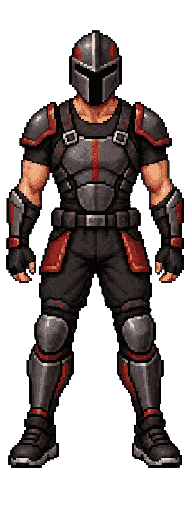
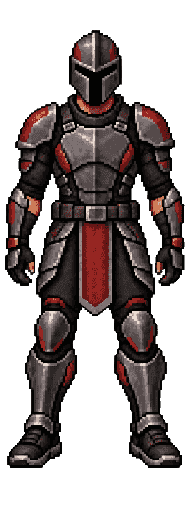
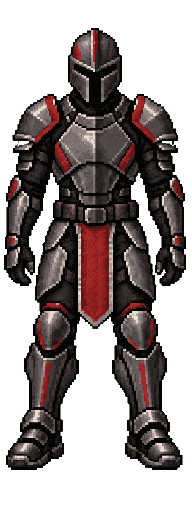
This guide does not assign kilogram thresholds to the ranks. A fictional “bench this much to become Veteran” table would be misleading without confirmed rules. Use the ladder as motivation, and use your actual sets, reps and comparable lift history to judge whether training is moving forward.
A worked example of progress worth recording
Suppose your bench plan is three working sets in an 8–12 rep range. The following example uses double progression: build reps at the same load, then increase weight after all three sets reach 12. It shows training progress, not an IronThane rank calculation.
| Session | Work completed | What changed |
|---|---|---|
| A | 50 kg × 10, 9, 8 | 27 total reps; 50 × 27 = 1,350 kg volume load. |
| B | 50 kg × 10, 10, 8 | 28 total reps; 50 × 28 = 1,400 kg volume load. |
| C | 50 kg × 12, 12, 12 | 36 total reps; the rule now permits a load increase. |
| D | 52.5 kg × 8, 8, 8 | 24 total reps; start building within the range again. |
Session B adds one rep and 50 kg of volume load. Session D totals 52.5 × 24 = 1,260 kg, less than session C’s 50 × 36 = 1,800 kg, but starts a heavier progression step. A single score cannot explain all of that. Keep the underlying log. The progressive overload guide explains how to compare similar sessions.
Build your own consistency loop
Choose a schedule you can repeat, then write a small target before each session. After training, record the completed sets rather than the planned ones. Finish by writing the next target. That closes the loop: plan, lift, log, review. You can do all four on paper.
At the end of a week, check whether you attended the sessions you planned and whether your records are complete. Choose one adjustment if the schedule was unrealistic. A short, repeatable routine gives the next visit a clear starting point. You do not need a personal record every week for this review to be useful.
Keep the game connected to the programme
Keep the same movement standard when comparing lifts. A heavier half-rep and a lighter full-range rep are different entries, not an automatic upgrade. Record equipment changes too. When a plan calls for a lighter week or a reset, follow that plan instead of forcing a bigger number for the sake of a rank.
A useful game layer supports those decisions. It should make the record meaningful to you without becoming the only reason to train. Compare your current work with your own earlier work. Other people’s numbers do not tell you which load belongs in your next set. Our next-weight guide gives a concrete reps-or-load rule.
What is available in the preview
IronThane is made by Adam Ball in the UK. Supported programming includes double progression and 5/3/1, with stall resets and plate-aware loads.
The Free tier includes logging, records and progress, deterministic plans, check-ins, next-move guidance, import/export including Strong CSV, and the default 80s theme. Cloud backup requires a configured, signed-in preview build. Coach Preview adds AI-assisted plan wording and coach chat. Coach-proposed plan changes need your review and Apply.
Paid Coach is coming soon; billing is not live. At App Store launch: £9.99/month or £59.99/year; lifetime £149.99, limited to 500 buyers. The default Coach plan is £59.99/year. Founding annual is £39.99/year, available only for the first 30 days after App Store launch.
IronThane is an iOS app in preview for registered iPhones only; it is not on the App Store yet. If the mix of real lifting and pixel-art progression appeals, join the homepage waitlist for access updates. Meanwhile, the consistency loop above works in any log. Get strong. Get big. Level up.
Frequently asked questions
What are the IronThane ranks?
The ladder is Initiate → Soldier → Veteran → IronThane, tied to real strength progress. This guide does not publish unconfirmed lift thresholds or a rank-scoring formula.
Is the 80s theme a paid extra?
No. The 80s theme is IronThane’s default theme and is included free, along with workout logging, deterministic plans, check-ins and next-move guidance.
Do I need an app to make training feel like progress?
No. Write a next-session target, record your actual sets and review the week. A notebook can make small improvements visible without any game features.